Albania’s mega-projects: what global capital is really betting on
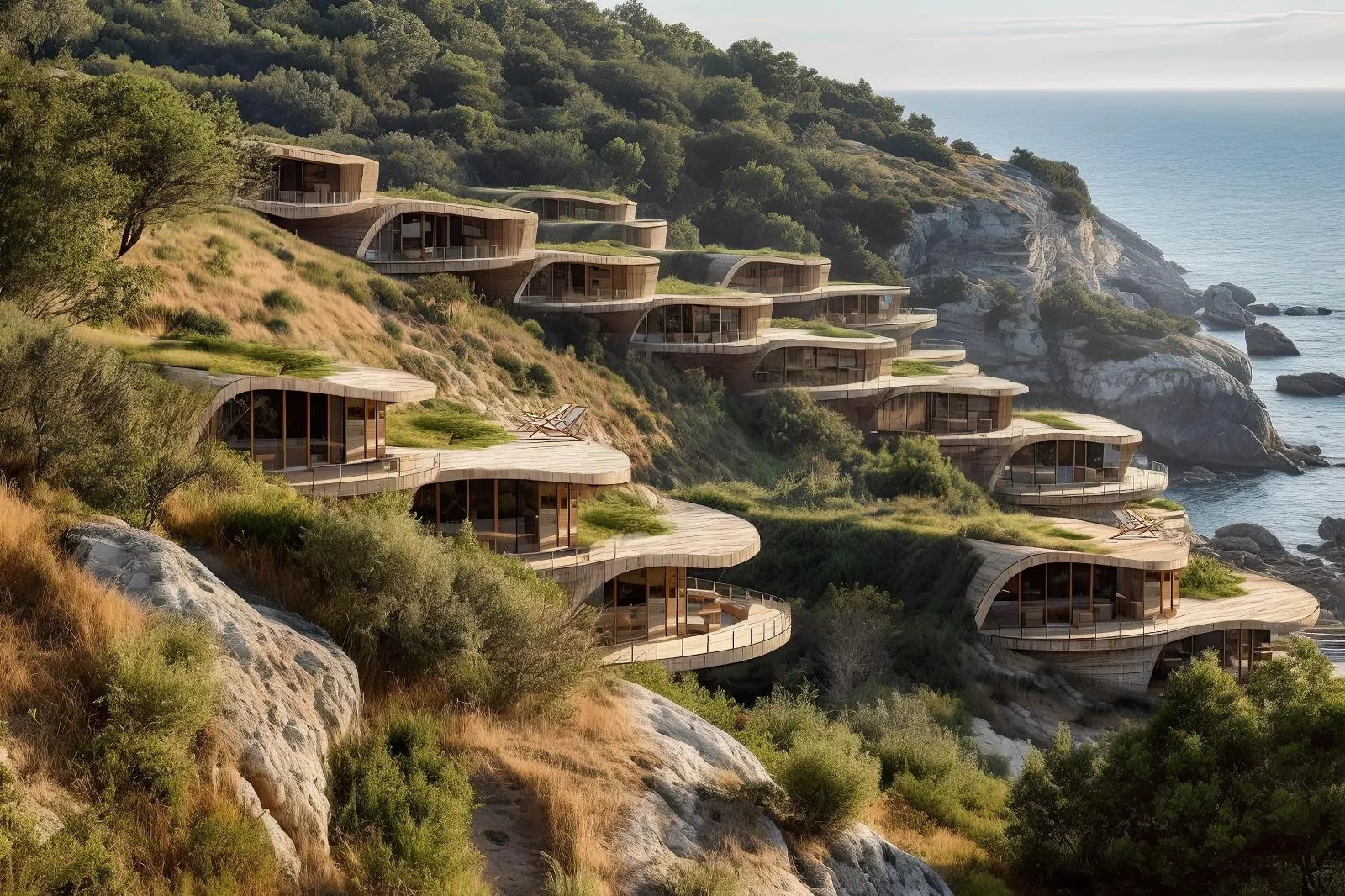
Albania is moving into a phase where global capital isn’t just visiting the coast, but it’s trying to reshape it. Two projects capture that shift better than anything else right now: the Durrës Yachts & Marina development by Emaar and the Sazan Islandl uxury resort plan by Kushner Companies.
These are concret market signals about where Albania is being positioned on the Mediterranean map — and what kind of country it wants to become in tourism, infrastructure, and investment governance.
Durrës Marina is a bet on a new Adriatic gateway
The Durrës project is widely described as a roughly €2 billion redevelopment with the Albanian state (via ASDC) holding a 33% stake — a structure that immediately makes it bigger than a private development: it becomes a national economic and political asset. The government’s pivot point was the decision to relocate commercial port functions and transform the current port area into a tourism-led waterfront district — a move that has also drawn scrutiny around transparency, process, and long-term public benefit.
What matters strategically is not just the marina. It’s the idea that Durrës becomes a new front door: yachts, hospitality, residences, retail, and a curated “destination city” logic that Albania has rarely executed at true scale before. And like every mega-waterfront project, the real question isn’t the renderings — it’s whether Albania can synchronize infrastructure, governance, and delivery fast enough to protect credibility once the world starts watching.
Sazan is a bet on “premium Albania”
Sazan is different: less “new city,” more “new narrative.” In January 2025, Albania approved a strategic investor status for a luxury resort project on Sazan Island tied to a company linked to Jared Kushner, with Reuters reporting a value of €1,4 billion, development on a 45-hectare site, and state participation via a joint entity involving the Albanian Investment Corporation. The project has been framed as a flagship for elite tourism, but it also sits inside the hardest category of development to get right: a sensitive coastal ecosystem, a site with military history, and the reputational heat that comes with high-profile politics and international media coverage.
What global capital is really betting on
At the core, both projects are betting on one thing: Albania can graduate from “beautiful and cheap” to “premium and reliable.” The upside is massive if the country can offer predictable delivery, stable rules, and a product that matches Mediterranean peers. This is why these mega-projects matter beyond their boundaries. They can pull an entire ecosystem upward — hotels, operators, suppliers, construction standards, talent, and investor confidence — but only if execution doesn’t collapse under governance gaps. They’re also a signal to global brands: if Durrës and the Riviera become “institutional-grade,” international hospitality pipelines accelerate — because branded operators follow credible masterplans and long-term demand, not just seasonal spikes.
The risks that actually matter
For Durrës, the main risk is trust: transparency, public value, process clarity, and whether the transformation creates a connected city or an isolated enclave. If the public story breaks, execution becomes politically fragile.
For Sazan, the main risk is permission to operate: environmental scrutiny, protected-area concerns, and sustained legitimacy — because luxury destinations can’t thrive with permanent controversy attached to them.
Across both, the limiting factor is capacity: permitting, utilities, logistics, contractor capability, and hospitality talent depth. Big capital doesn’t forgive “small-country excuses” once commitments are signed.
What it means for operators, developers, and investors
If you’re building in Albania now, these projects will reprice the market — not only land and assets, but expectations. Service quality, brand standards, procurement discipline, and reporting will become the baseline in premium zones.
If you’re an operator, the opportunity is clear: first-movers who lock in the right locations, talent, and partnerships early can ride a multi-year wave — but only if they build for year-round resilience, not peak-season cashflow.
If you’re an investor, the real diligence isn’t the brochure — it’s governance, enforceability, timelines, and who actually executes on the ground. In Albania, outcomes are still defined less by “capital available” and more by “execution intelligence.”
Related Articles
by
Carlo Zaka
The digital frontier: why Wolt’s entry confirms Albania’s tech maturity
Sep 15, 2025
by
Carlo Zaka
The brands are coming: why global hotel chains are betting on Albania
Jul 30, 2025
by
Carlo Zaka
Beyond the hype: debunking 5 myths about Albania
Jun 30, 2025
by
Carlo Zaka
Vlora ranked Europe’s top investment destination
May 28, 2025
by
Carlo Zaka
Europe’s new chapter begins in Albania
May 23, 2025