Market Overview
Key structural drivers shaping real estate demand and investment dynamics.
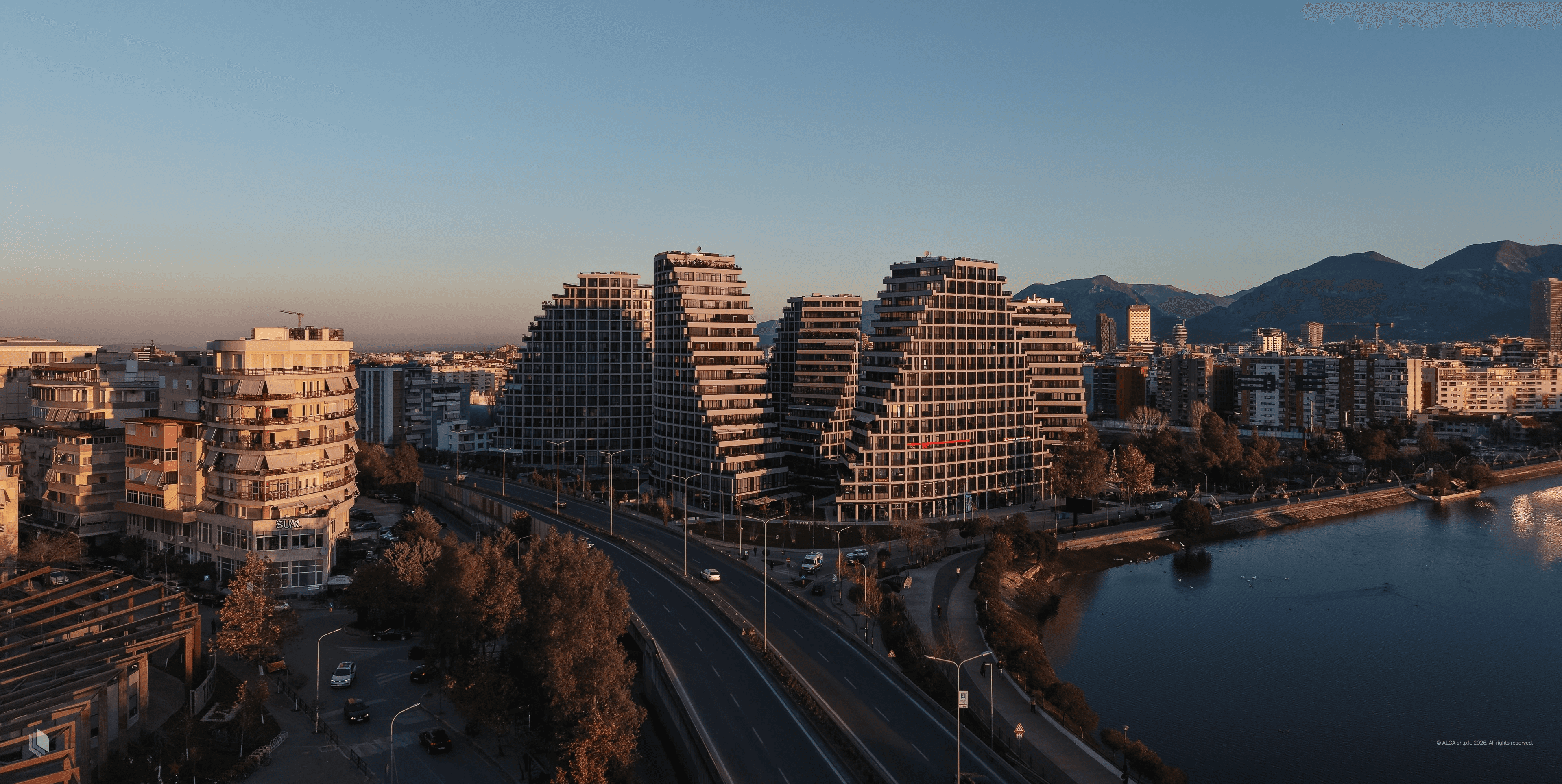
Key Market Indicators
4,1%
Average GDP growth
World Bank
Sustained economic growth supported by construction, tourism, and foreign investment, reinforcing long-term market fundamentals.
~1,6B
Foreign Direct Investments
Bank of Albania
Consistent foreign capital inflows into energy, infrastructure, hospitality, and real estate, supporting sustained demand and development activity.
~12M
Tourist Arrivals
Instat
Strong and sustained growth in international arrivals, supporting rental demand and hospitality-driven real estate segments.
~42%
Rising Housing Price Index
Bank of Albania
Sustained demand growth and limited availability of high-quality residential assets in Albania’s main urban and coastal areas.
KEY ADVANTAGES
Why Albania stands out
Albania combines early-stage market dynamics with improving infrastructure and regulatory alignment, creating selective opportunities for real estate investors.
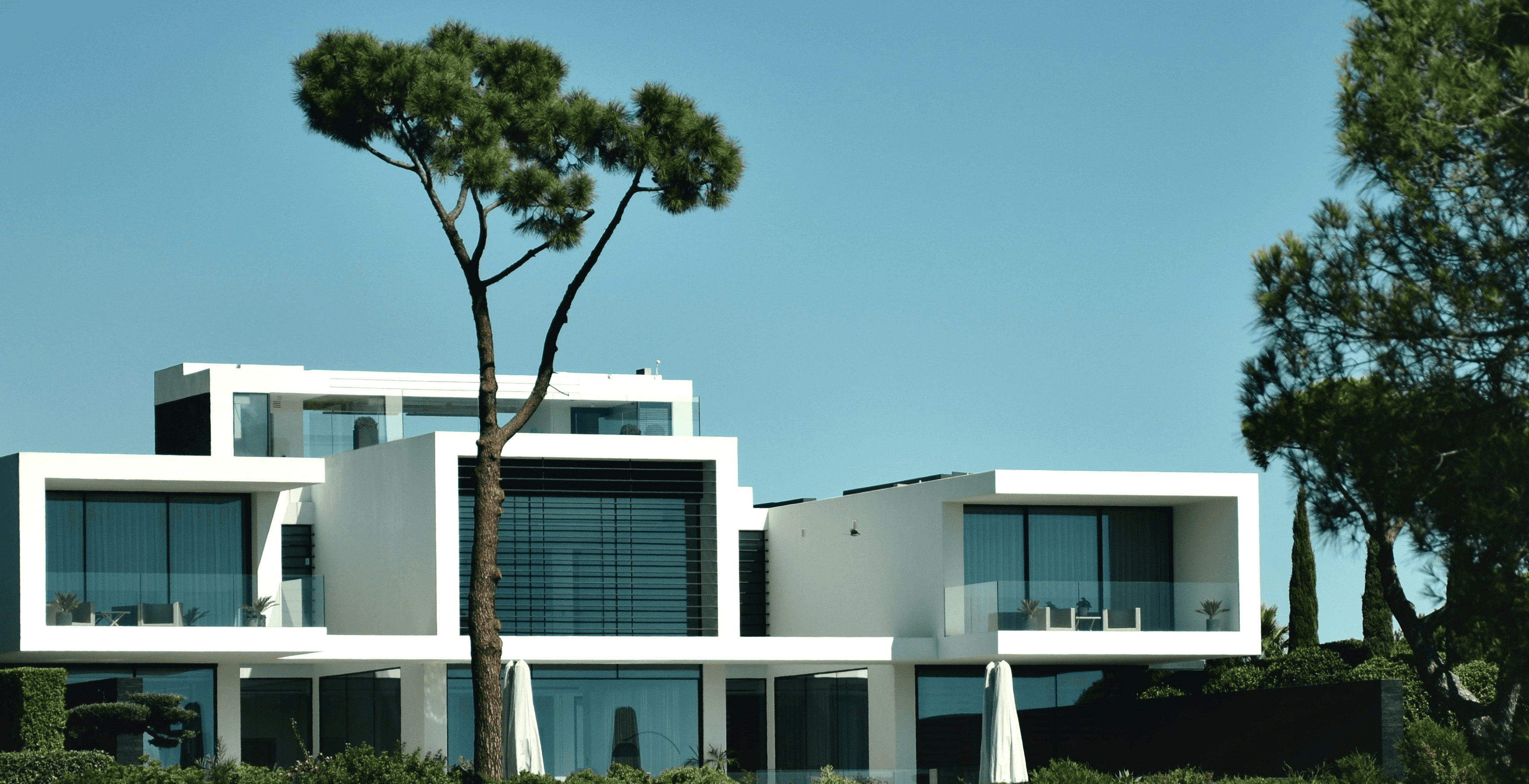
Real Estate
Booming Real Estate
The Albanian real estate market is rapidly growing and offers strong investment potential.
Double-digit annual appreciation in tourist areas
Growth in demand for luxury real estate
Growing interest of international investors
Modernization of urban developments

Tax
Investor-Friendly Tax Framework
Albania offers a range of tax incentives that make it an attractive destination for investors.
0-15% Corporate Tax Rate
Special economic zones with tax incentives
Tax reliefs for strategic investments
Favorable VAT policies for tourism projects
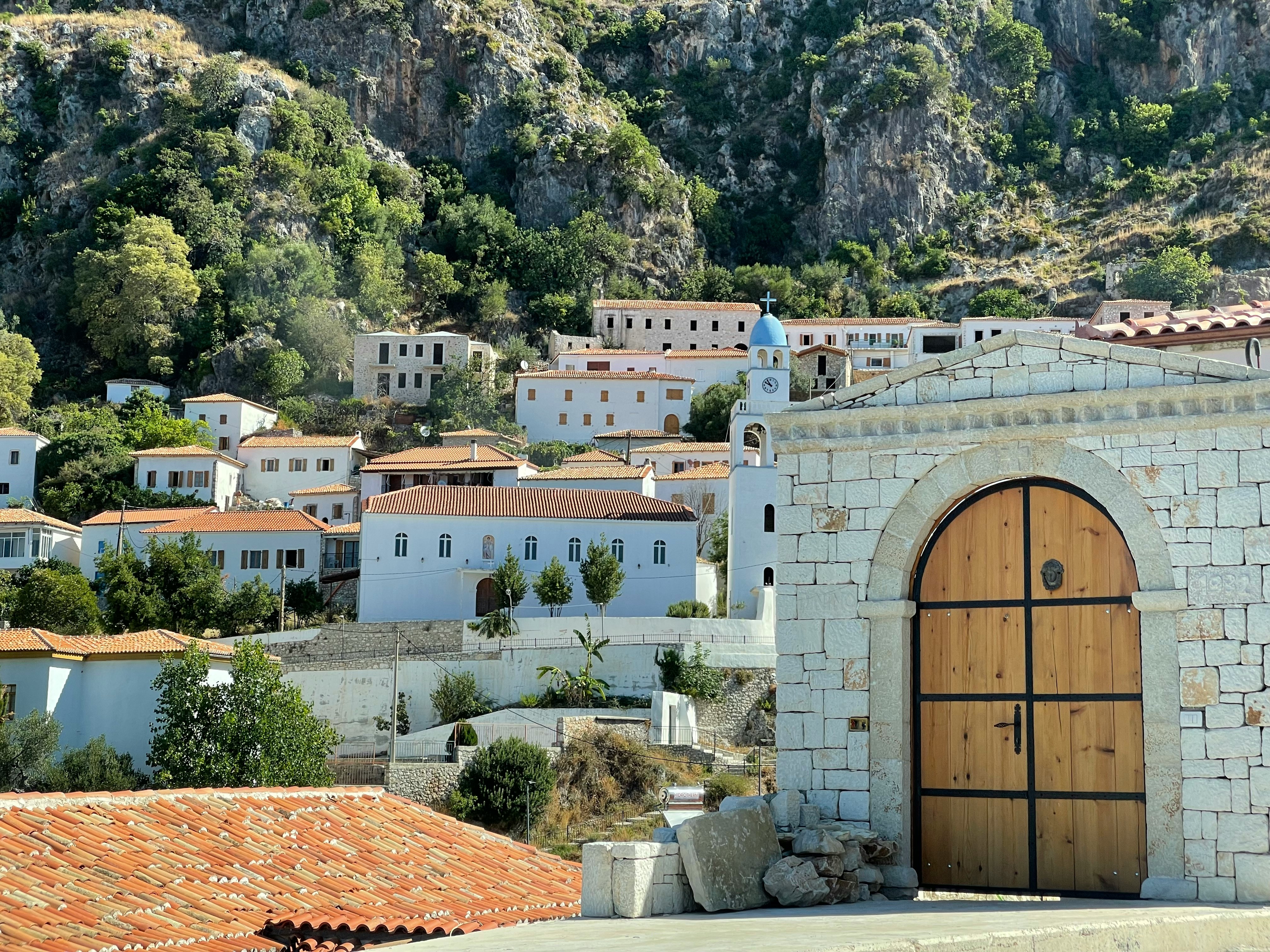
tourism
Tourism Growth
Tourism growth plays a structural role in supporting short- and medium-term rental demand.
30%+ annual increase in international visitors
Extended tourism seasons beyond summer
Underdeveloped markets with high growth potential
Government prioritization of tourism infrastructure

EU
EU Accession Path
Albania’s EU accession process supports regulatory convergence and long-term stability.
EU candidate country with harmonization regulations
Direct access to the Adriatic and the Mediterranean
Well connected to the main European markets
Aligned with EU import/export standards

economy
Economic Transition
The country is transitioning toward a more structured, investment-oriented economic framework.
Consistent GDP growth above European averages
Modernizing business regulations
Digital transformation initiatives
Increasing foreign direct investment
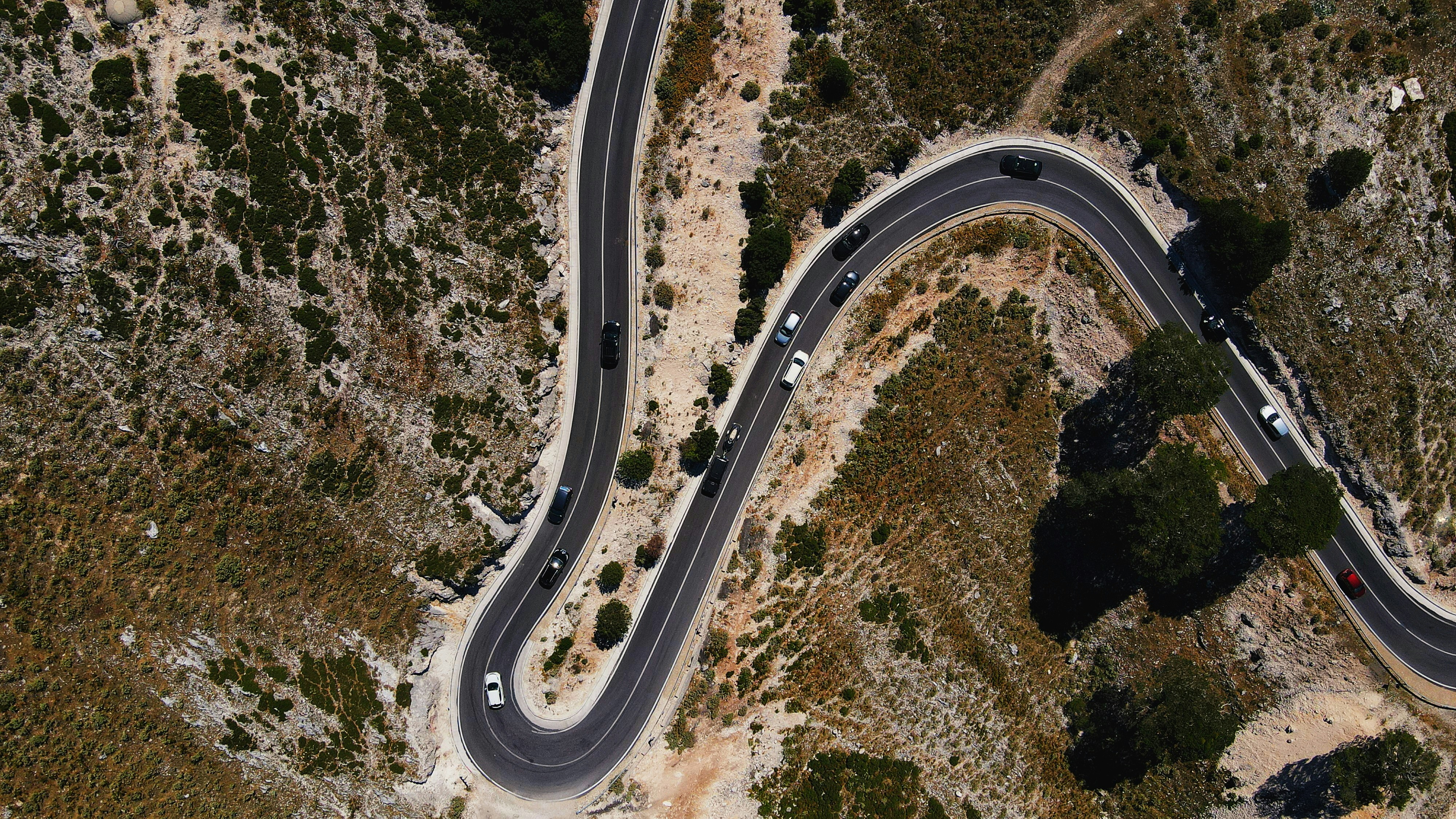
infrastructure
Infrastructure Improvements
Ongoing infrastructure projects continue to improve accessibility and connectivity.
Modernization of major roadways and highways
Expansion of international airport facilities
Improved digital connectivity across urban centers
Development of port facilities for trade and tourism