Albania Beyond the Headlines: Separating Myths From Reality
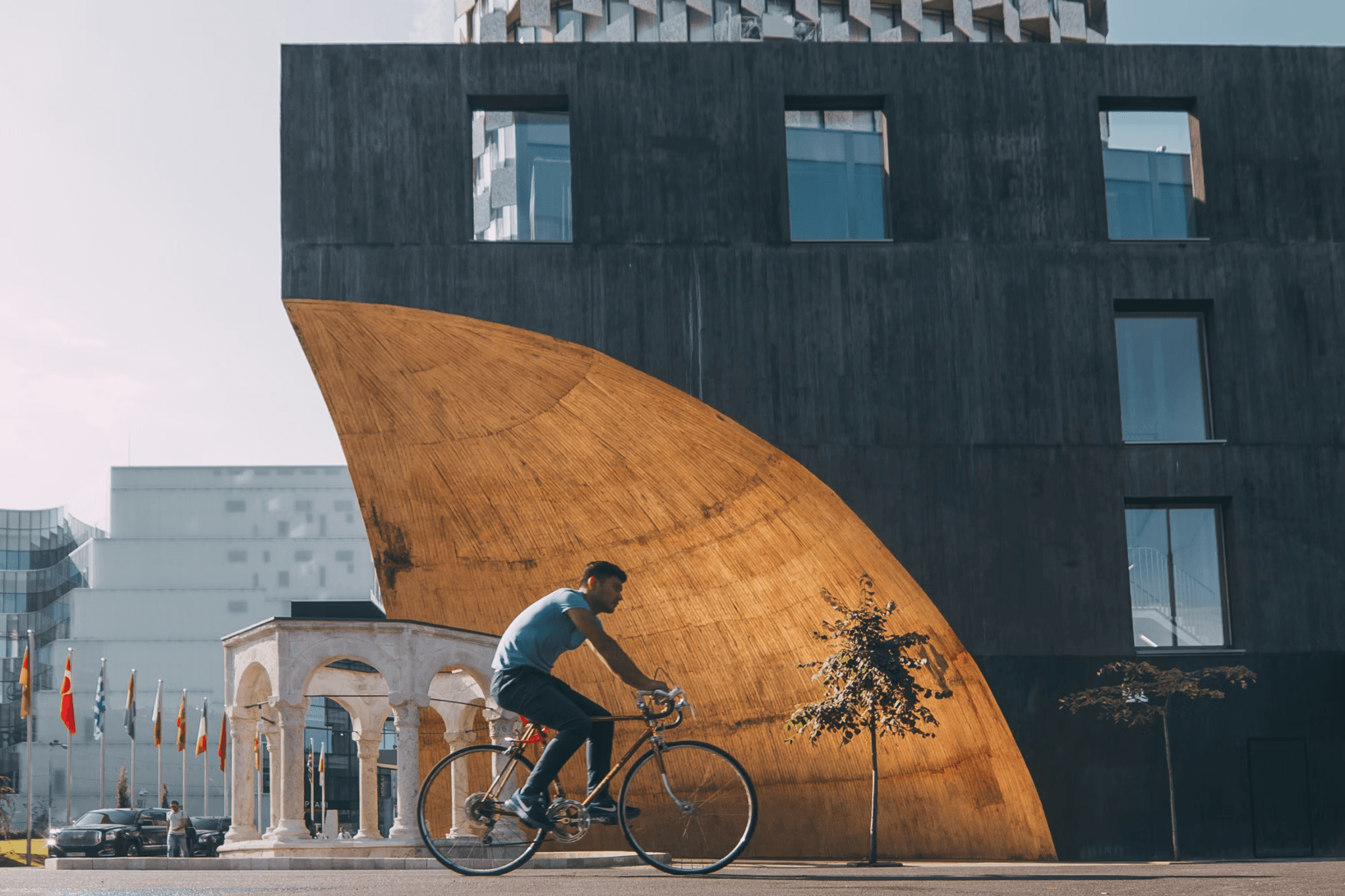
Albania is often assessed through short visits, headlines, or outdated assumptions. For investors, however, meaningful decisions require a longer-term and data-driven perspective.
Over the past decade, Albania has undergone a structural transformation across infrastructure, capital inflows, and real estate demand. Yet, several persistent misconceptions continue to distort how the market is perceived.
Below, we address five of the most common myths — and explain why they no longer reflect today’s investment reality
Myth 1: “It’s Just Cheap.”
The idea that Albania’s appeal is driven purely by low prices no longer reflects market dynamics. While affordability still exists in certain segments, the country’s growth is increasingly anchored in value rather than cost. In Tirana and along the Ionian coast, premium residential developments now trade between €2.000 and €5.000 per sqm, particularly in design-led, centrally located projects.
When benchmarked against comparable Mediterranean markets such as Italy, Croatia, or Montenegro, these price levels reflect a maturing market offering contemporary architecture, improving infrastructure, and rising service standards — often at entry points that are no longer available in more established destinations.
nvestment implication: Albania is transitioning from a low-cost alternative to a value-driven market, where quality, location, and long-term relevance increasingly define pricing.
Myth 2: “It’s Not Really Safe."
Safety concerns are largely rooted in outdated perceptions rather than current realities. Albania consistently records low levels of petty crime, often surprising first-time visitors and new residents. Urban centers feel calm and accessible, with a strong sense of community and social cohesion. Beyond crime statistics, Albania’s cultural emphasis on hospitality contributes to an environment of trust that is frequently cited by international residents.
Investment implication: Safety and social stability support both residential demand and long-term livability — key factors for sustained real estate value.
Myth 3: “It’s Just Hype, It Won’t Last.”
Recent growth is sometimes dismissed as temporary momentum. The underlying data suggests otherwise.
Foreign Direct Investment: Over €1.6 billion in recent FDI signals sustained international confidence.
Infrastructure: New and upgraded airports, port expansions, and major highway projects are materially improving national connectivity.
Real Estate Demand: Prime urban and coastal locations continue to experience strong absorption, driven by both domestic and international buyers.
Tourism Growth: Albania has ranked among Europe’s fastest-growing tourism markets, supported by structural investment rather than short-term promotion.
These developments point to systemic change rather than cyclical noise.
Investment implication: Albania’s growth is underpinned by infrastructure, capital inflows, and demand fundamentals — not speculative excess.
Myth 4: “No One Speaks English.”
Language barriers are often overstated. While older generations may primarily speak Italian, younger professionals are typically fluent in English, often alongside other European languages. English proficiency is now widespread in education, business, and service sectors, significantly reducing friction for international investors and residents.
Investment implication: Operational and transactional barriers related to language are minimal, particularly in urban and investment-active areas.
Myth 5: “It’s Too Late to Get In.”
Albania is no longer an undiscovered market — and that is precisely what increases its reliability. The transition from early-stage opportunity to emerging maturity reduces risk while preserving upside. Corporate and personal tax frameworks remain competitive, and real estate transactions are comparatively efficient and transparent when professionally managed.
Investment implication: The market still offers attractive entry points, particularly for investors focused on long-term value rather than short-term arbitrage.
Looking Beyond the Surface
Albania’s appeal today is not built on low prices alone, but on structural fundamentals: capital inflows, infrastructure investment, regulatory convergence, and sustained demand in prime locations.
For investors willing to move beyond surface narratives, Albania represents a market where long-term value creation is increasingly driven by quality, discipline, and informed asset selection — rather than speculation.
suggested
Related Articles
by
Carlo Zaka
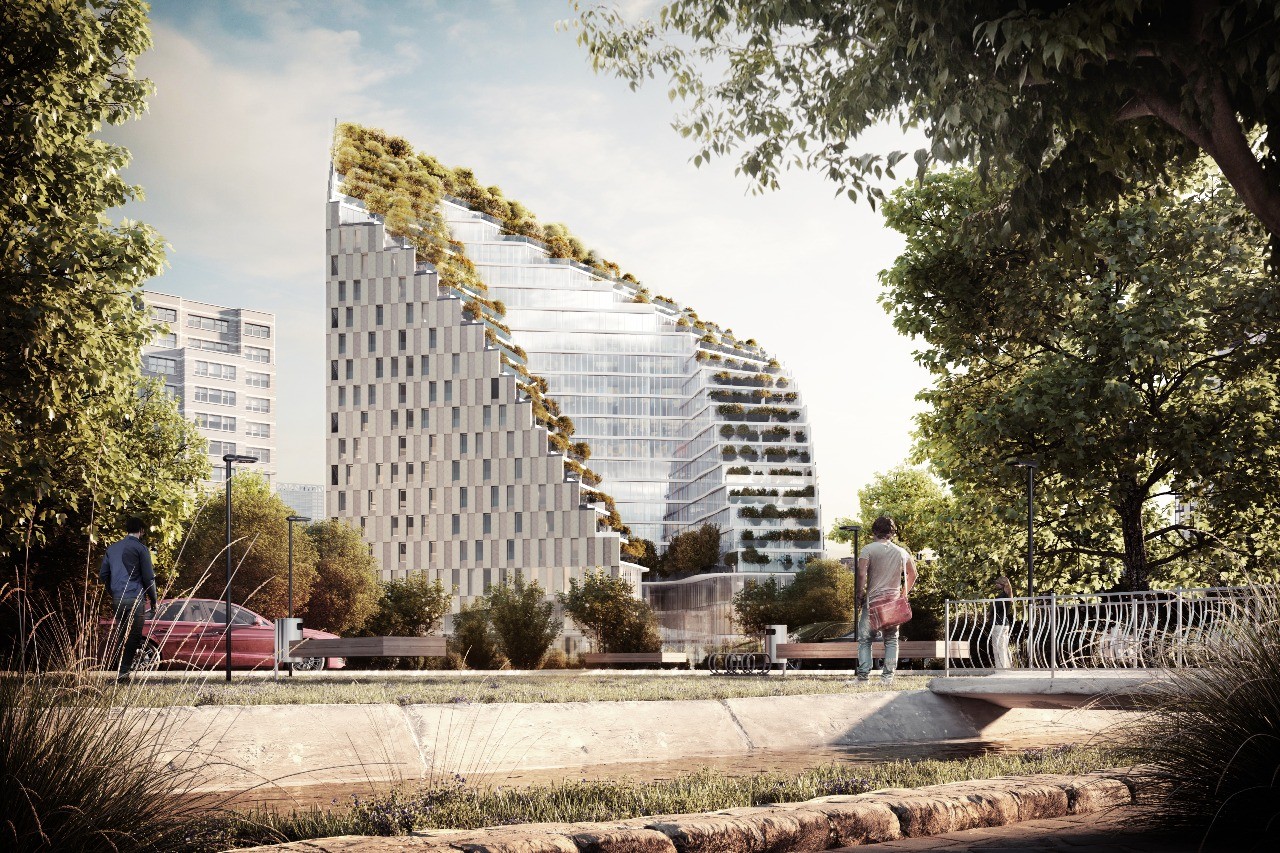
Ekspozita Building: Redefining Prime Residential Living in Central Tirana
by
Carlo Zaka
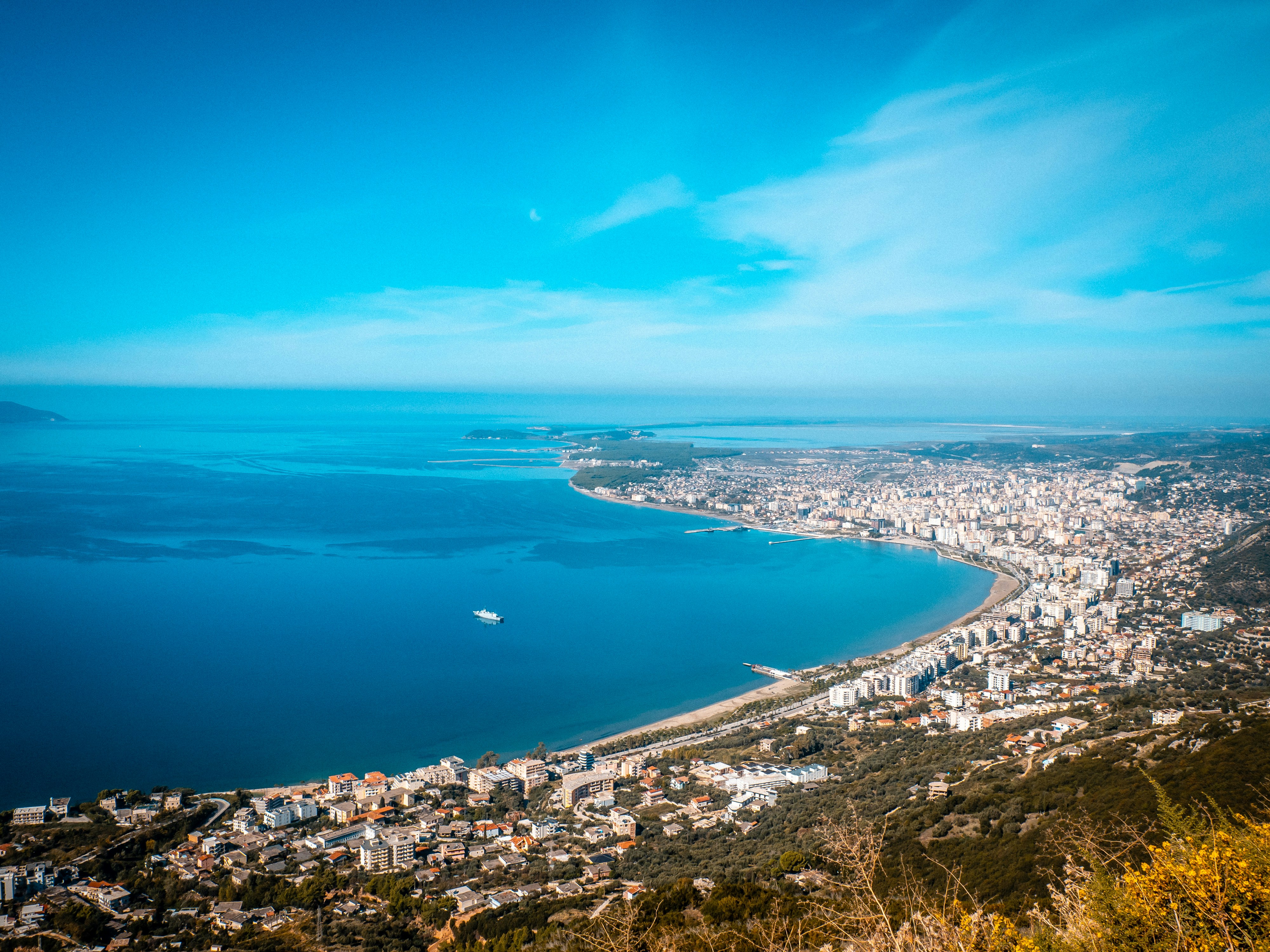
Vlora Ranked Europe’s Top Investment Destination
by
Carlo Zaka
Europe’s New Chapter Begins in Albania
by
Carlo Zaka
Emaar’s €2 Billion Transformation of Durrës Port
by
Carlo Zaka